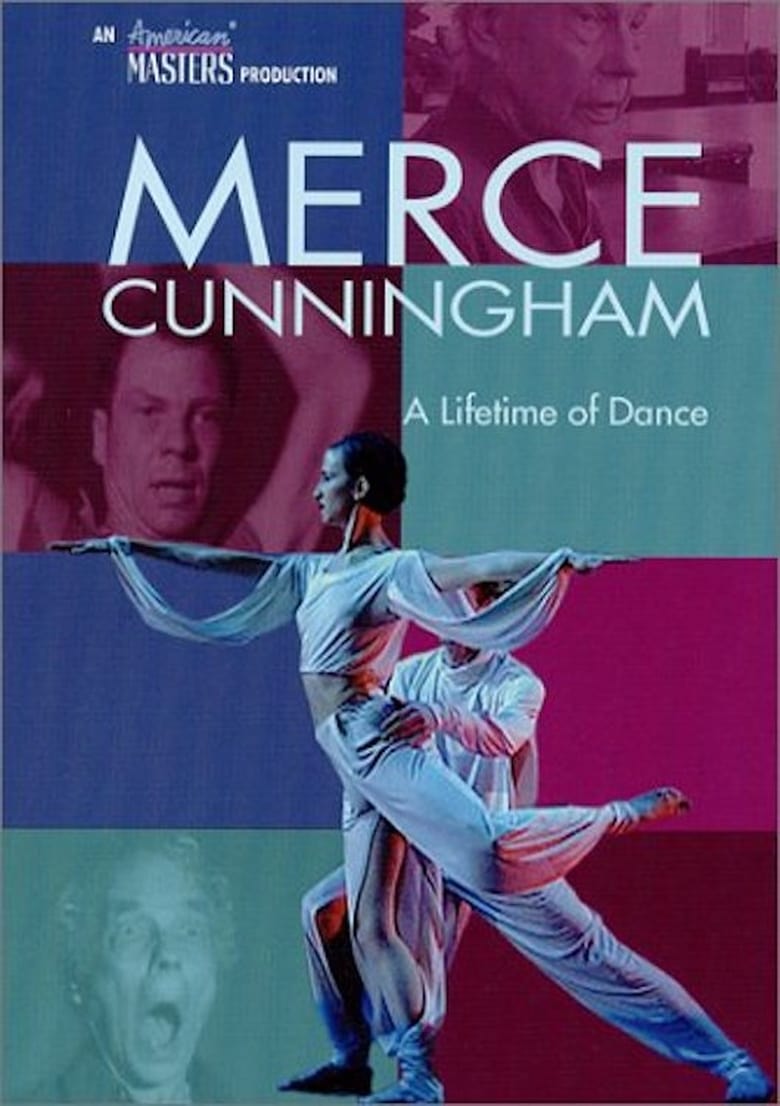
A history of the work of Merce Cunningham.
2020
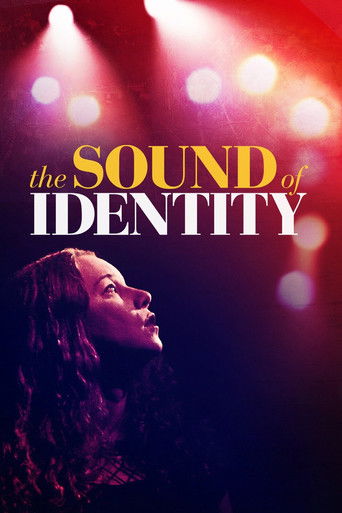
In the spotlight of global media coverage, the first transgender woman ever to perform as Don Giovanni in a professional opera, makes her historic debut in one of the reddest states in the U.S.
1959
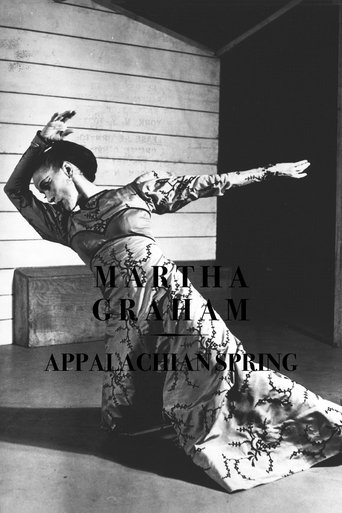
A filmed version of Aaron Copland's most famous ballet, with its original star, who also choreographed.
2013
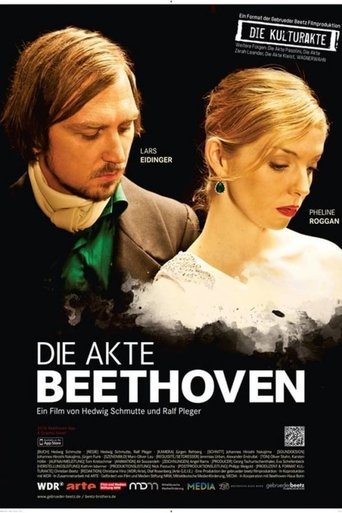
In a mixture of feature film, music documentary and animated comics, historical facts are retold, analyzed and interpreted in modern settings. Ludwig van Beethoven, played by Lars Eidinger, becomes a contemporary of today's audience. Quick-tempered, irascible, curmudgeonly - that is the common image of Ludwig van Beethoven, the composer with the wild lion's mane. But there is also another Beethoven - young, seductive, spirited and, above all, combative.
1963
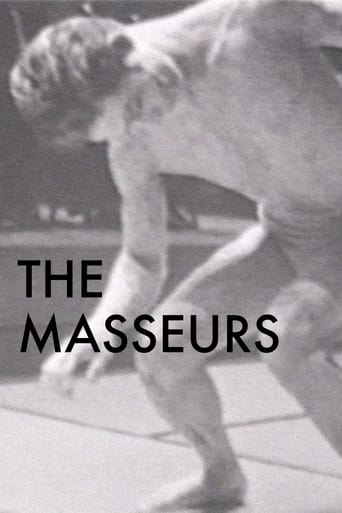
Anma (The Masseurs) is a representative and historical work by the creator of Butoh dance, Tatsumi Hijikata in his early period in the 1960s. The film is realized not only as a dance document but also as a Cine-Dance, a term made by Iimura, that is meant to be a choreography of film. The filmmaker "performed" with a camera on the stage in front of the audience. With the main performers: Tatsumi Hijikata and Kazuo Ohno, the film has the highlights such as Butohs of a soldier by Hijikata & a mad woman by Ohno. There is a story of the mad woman, first outcast and ignored, at the end joins to the community through her dance. Inserted descriptions of Anma (The Masseurs) are made for the film by the filmmaker, but were not in the original Butoh. The film, the only document taken of the performance, must be seen for the understanding of Hijikata Butoh and the foundation of Butoh.
2014
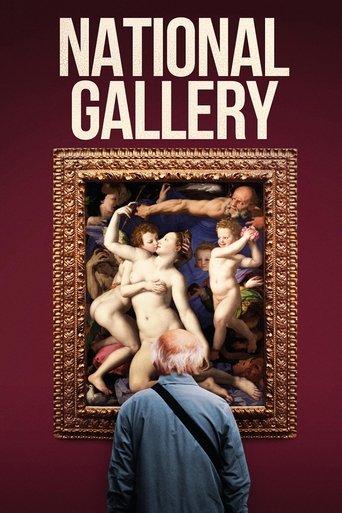
A portrait of the day-to-day operations of the National Gallery of London, that reveals the role of the employees and the experiences of the Gallery's visitors. The film portrays the role of the curators and conservators; the education, scientific, and conservation departments; and the audience of all kinds of people who come to experience it.
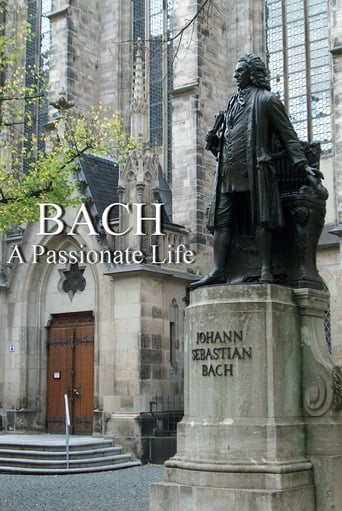
John Eliot Gardiner goes in search of Bach the man and the musician. The famous portrait of Bach portrays a grumpy 62-year-old man in a wig and formal coat, yet his greatest works were composed 20 years earlier in an almost unrivalled blaze of creativity. We reveal a complex and passionate artist; a warm and convivial family man at the same time a rebellious spirit struggling with the hierarchies of state and church who wrote timeless music that is today known world-wide. Gardiner undertakes a 'Bach Tour' of Germany, and sifts the relatively few clues we have - some newly-found. Most of all, he uses the music to reveal the real Bach.
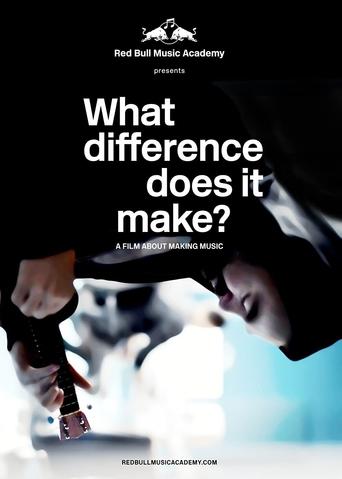
A documentary that explores the challenges that a life in music can bring.
2005
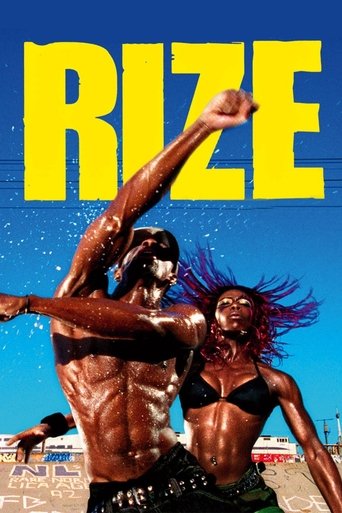
A documentary film that highlights two street derived dance styles, Clowning and Krumping, that came out of the low income neighborhoods of L.A.. Director David LaChapelle interviews each dance crew about how their unique dances evolved. A new and positive activity away from the drugs, guns, and gangs that ruled their neighborhood. A raw film about a growing sub-culture movements in America.
1991
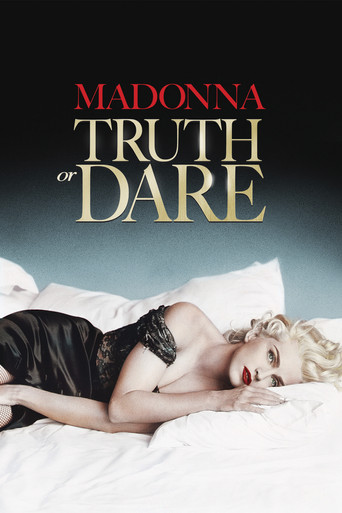
From the rains of Japan, through threats of arrest for 'public indecency' in Canada, and a birthday tribute to her father in Detroit, this documentary follows Madonna on her 1990 'Blond Ambition' concert tour. Filmed in black and white, with the concert pieces in glittering MTV color, it is an intimate look at the work of the icon, from a prayer circle before each performance to bed games with the dance troupe afterwards.
2007
Helvetica is a feature-length independent film about typography, graphic design and global visual culture. It looks at the proliferation of one typeface (which will celebrate its 50th birthday in 2007) as part of a larger conversation about the way type affects our lives. The film is an exploration of urban spaces in major cities and the type that inhabits them, and a fluid discussion with renowned designers about their work, the creative process, and the choices and aesthetics behind their use of type.
2017
The senior year of a girls’ high school step team in inner-city Baltimore is documented, as they try to become the first in their families to attend college. The girls strive to make their dancing a success against the backdrop of social unrest in their troubled city.
1894
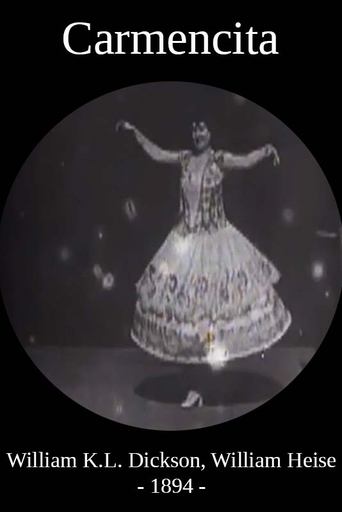
The first woman to appear in front of an Edison motion picture camera and possibly the first woman to appear in a motion picture within the United States. In the film, Carmencita is recorded going through a routine she had been performing at Koster & Bial's in New York since February 1890.
1995
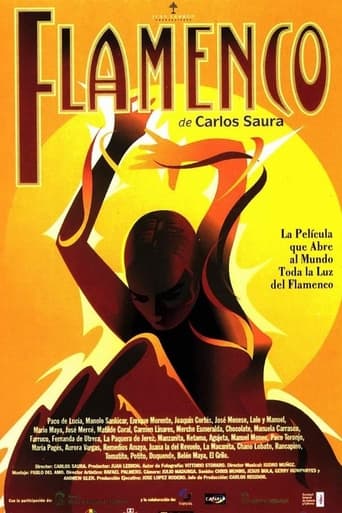
The film presents thirteen rhythms of flamenco, each with song, guitar, and dance: the up-tempo bularías, a brooding farruca, an anguished martinete, and a satiric fandango de huelva. There are tangos, a taranta, alegrías, siguiriyas, soleás, a guajira of patrician women, a petenera about a sentence to death, villancicos, and a final rumba.
2026
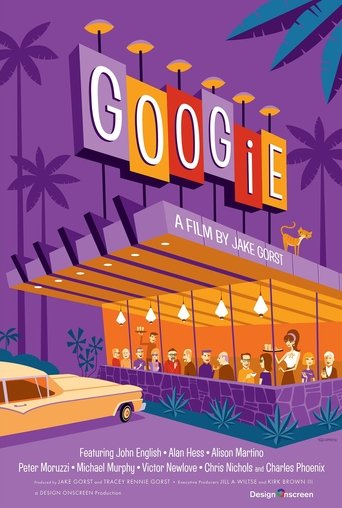
Googie architecture was one of the most visually exuberant and culturally formative design movements of the mid-20th century, yet it remains widely misunderstood. Defined by bold angles, sweeping rooflines, neon signage, and a sense of space-age optimism, Googie transformed everyday buildings into roadside spectacle. Coffee shops, bowling alleys, car washes, banks, and churches were designed not just for function, but to captivate motorists cruising by. Rooted in Los Angeles, the movement drew inspiration from visionary architects such as Frank Lloyd Wright and John Lautner, while firms like Armet & Davis brought futuristic flair to the commercial landscape. Though many original structures have been lost, preservationists now champion Googie as a serious architectural expression—one that captured the aspirations of postwar America and reshaped the visual identity of the modern city.
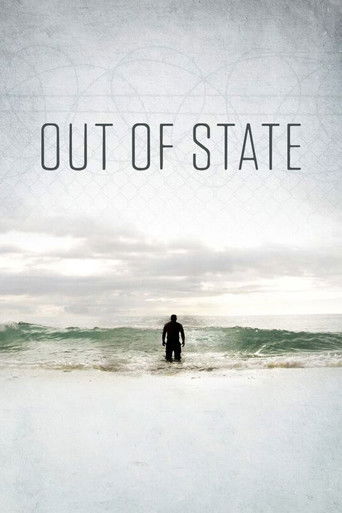
Out of State is the unlikely story of native Hawaiians men discovering their native culture as prisoners in the desert of Arizona, 3,000 miles, and across the ocean, from their island home.
2019
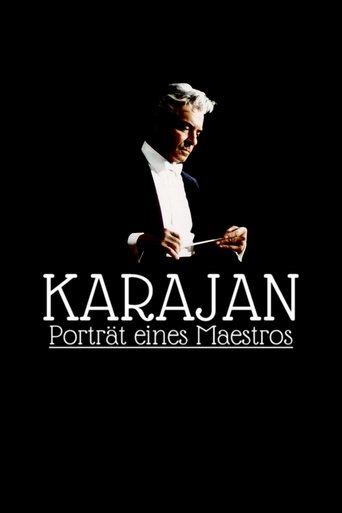
An account of the life and work of controversial German orchestra conductor Herbert von Karajan (1908-89), celebrated as one of the greatest musicians of the twentieth century.
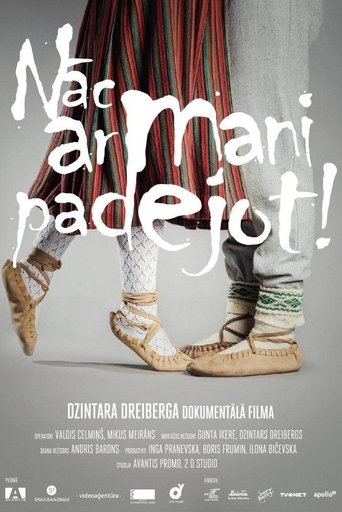
A high-school folk dancing group heads to Latvian School Youth Song and Dance Festival, an event that takes place every five years and is part of the Latvian national identity – this is the culmination point of five years of work. Away from their homes and parents, they spend seven days and nights together. They are 18 and have just graduated, and this seems to be the last idle summer of their lives. Dreams mix with boredom, silly jokes with serious conversations. Taking care of one another creates affection and grows into a collective power. There are thousands like them at the festival. Every individual sensation turns into a common celebration that becomes more than just a tradition.
1989
In the same vein as Meri's other documentations, this one takes advantage of the glasnost policy to discuss the social and ecologic impact of the Russian oil industry on the natives and the lands they inhabit.
1993
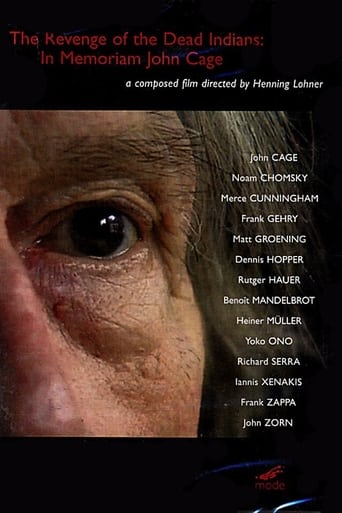
This is a full-length documentary honoring the life and work of American composer and artist John Cage. Cage is considered one of the most influential composers of the 20th century. This documentary features interviews with various personalities from different fields as they introduce us to the life and work of this great American artist.
A love story, portraying the dilemmas and inevitable consequences of ambition. It is a film about a woman's fight for independence, a woman trying to succeed with her own art in the extremely competitive world of dance.